

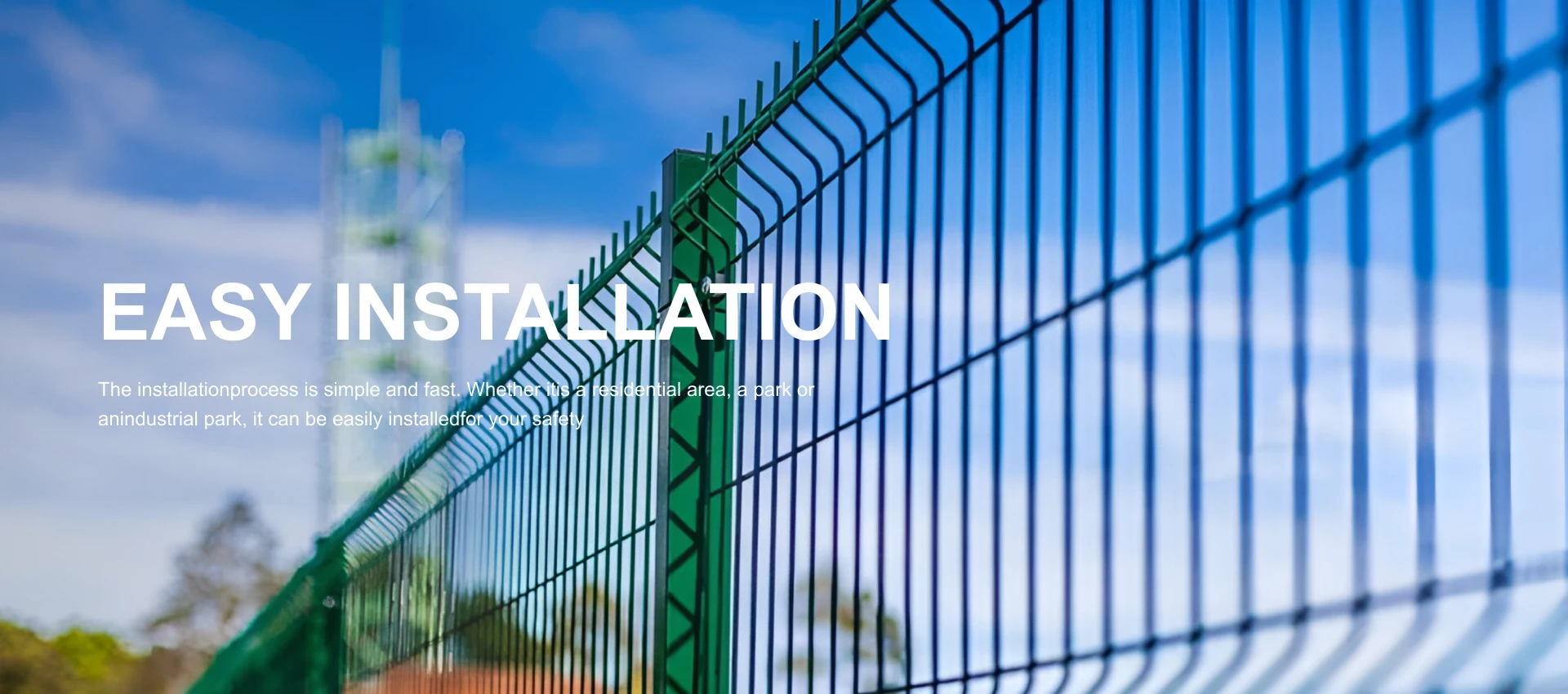
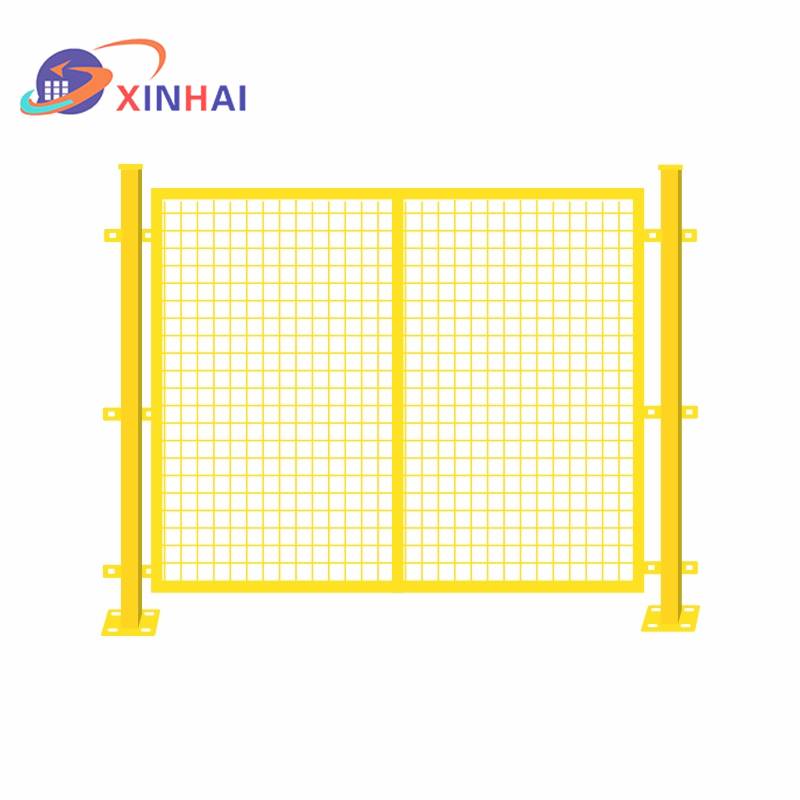
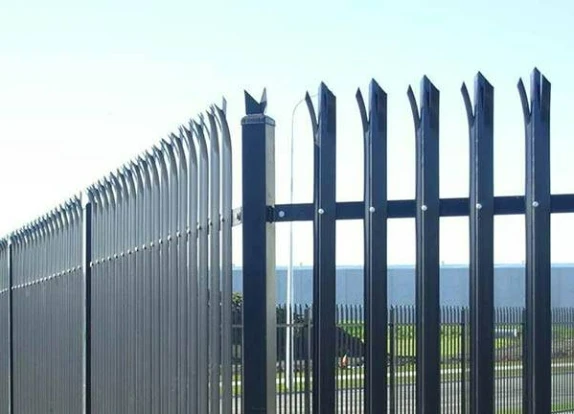
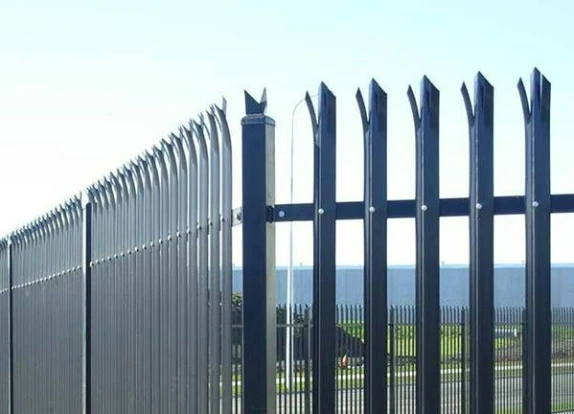

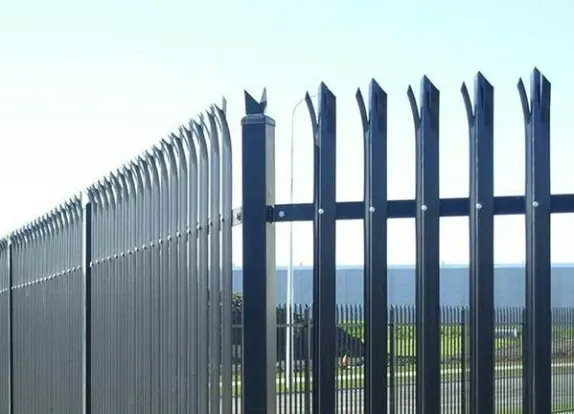
Strong Protection
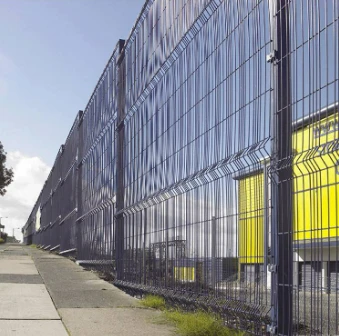
Wire Mesh Fence To Protect Your Safety

Not sure what kind of product is right for you?
Just ask for a call back and our friendly fence expert will contact you as soon as possible.
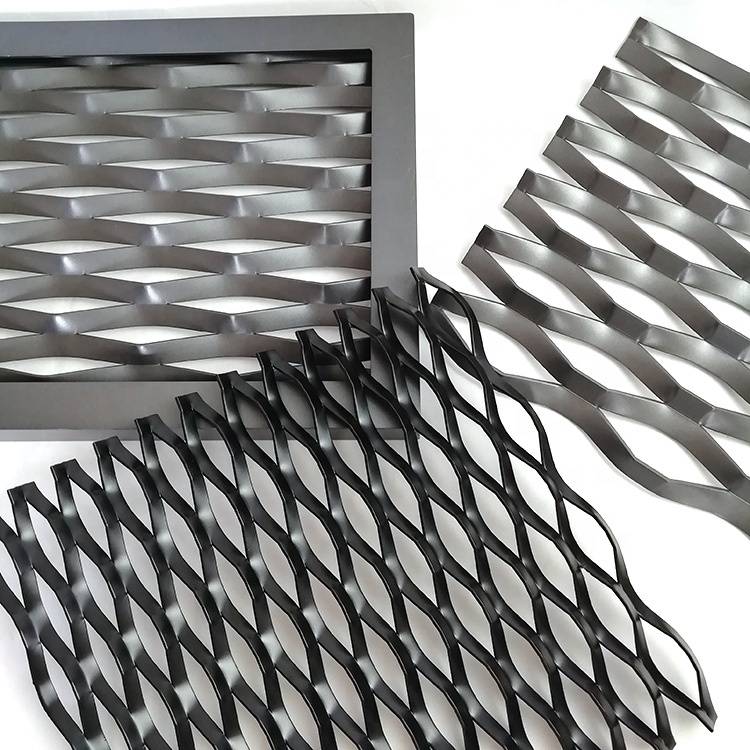
stainless steel diamond mesh
Introduction to Expanded Metal Mesh In the realm of industrial materials, expanded metal mesh for sale represents a versatile and cost-effective solution for a multitude of applications. This material, produced through a unique cold-forming process, offers a superior strength-to-weight ratio, exceptional ventilation, and slip-resistant properties, making it indispensable across various sectors. The current industry trend points towards increased demand for sustainable and high-performance materials, positioning expanded metal mesh as a preferred choice due to its minimal material waste during production and its extended service life. Innovations in material science are also pushing the boundaries, allowing for the expansion of more exotic alloys, further broadening its application spectrum. Businesses seeking robust, durable, and adaptable materials for construction, security, filtration, and architectural design will find expanded metal mesh to be an optimal investment. The market for expanded metal mesh is experiencing steady growth, driven by infrastructure development, stringent safety regulations, and the need for efficient material utilization. Global trends indicate a particular emphasis on materials that offer both structural integrity and functional benefits such as light diffusion, air circulation, and enhanced security. This comprehensive guide delves into the technical aspects, applications, and procurement considerations for expanded metal mesh, providing B2B decision-makers and engineers with the insights necessary to make informed purchasing decisions. Manufacturing Process Flow of Expanded Metal Mesh The production of expanded metal mesh for sale is a meticulously controlled process that transforms solid metal sheets into a mesh structure without any loss of material. This method ensures maximum material efficiency and creates a robust, integral mesh that will not unravel. 1 Material Selection High-quality metal sheets (e.g., carbon steel, galvanized steel, stainless steel, aluminum, copper) are selected based on end-use application and required properties like corrosion resistance, strength, and conductivity. Specific alloys are chosen for demanding environments such as petrochemical and metallurgy industries. 2 Slitting and Expanding The chosen metal sheet is precisely slit and then simultaneously stretched (expanded) in a cold-forming process. This creates diamond-shaped openings, or other patterns, with no welds or joints, ensuring structural integrity and eliminating weak points inherent in woven or welded meshes. 3 Flattening (Optional) For applications requiring a smoother surface, the expanded mesh can undergo a cold rolling process to flatten the strands and bonds, resulting in a "flattened" expanded metal. This reduces surface friction and provides a more uniform thickness. 4 Finishing and Treatment Depending on the application, the mesh can be cut to size, degreased, galvanized, powder coated, or anodized. These treatments enhance corrosion resistance, aesthetic appeal, and overall service life. For example, galvanization provides sacrificial protection critical for outdoor use in water supply & drainage systems. 5 Quality Control Each batch undergoes rigorous testing to ensure compliance with international standards such as ISO 9001 for quality management and ASTM F1267 for expanded metal applications. This includes checks for dimensions, material integrity, and coating thickness, guaranteeing a service life exceeding 20 years in typical applications. The inherent advantages of this process include minimal material waste, as no material is removed from the sheet, contributing to energy saving and reduced environmental impact. The unyielding structure provides superior load-bearing capabilities and excellent anti-glare properties, making it ideal for safety gratings and walkways. Technical Specifications & Parameters Understanding the critical technical parameters is crucial when specifying expanded metal sheets for sale . These parameters define the mesh's performance characteristics and suitability for specific applications. Key Terminology: Long Way of the Diamond (LWD): The nominal dimension of the long diagonal of the diamond-shaped opening. Short Way of the Diamond (SWD): The nominal dimension of the short diagonal of the diamond-shaped opening. Strand Width: The amount of metal fed through the expanding machine to create one strand. Strand Thickness: The gauge or thickness of the base metal sheet. Overall Thickness: The thickness from the top surface to the bottom surface of the expanded mesh (unflattened). Open Area: The percentage of open space in the mesh, critical for ventilation and light transmission. Typical Expanded Metal Mesh Specifications Parameter Value Range Typical Application Material Carbon Steel, SS304, SS316, Aluminum, Galvanized Steel, Copper General purpose, corrosion resistance, aesthetics, conductivity LWD (mm) 12.7 mm - 150 mm Varies by strength/open area needs (e.g., small for filters, large for security) SWD (mm) 6.35 mm - 75 mm Proportional to LWD, dictates mesh density Strand Thickness (mm) 0.5 mm - 6.0 mm Determines overall strength and weight of the mesh Strand Width (mm) 0.7 mm - 8.0 mm Impacts stiffness and load-bearing capacity Open Area (%) 40% - 80% Ventilation, filtration, light/air flow requirements Standard Sheet Size 1220x2440mm, 1500x3000mm (customizable) Ease of handling, transport, and fabrication The selection of precise dimensions and material grade significantly influences the performance of the mesh in applications ranging from heavy-duty industrial platforms to delicate architectural features. For instance, in petrochemical and metallurgy sectors, high-strength alloys like SS316 with specific LWD/SWD ratios are chosen for their resilience against corrosive agents and extreme temperatures, ensuring long-term operational integrity. Types of Expanded Metal Mesh The diversity of manufacturing processes and materials leads to various types of expanded metal mesh , each optimized for specific functional and aesthetic requirements. Standard (Raised) Expanded Metal: This is the most common form, characterized by its undulated, ridged surface. The strands and bonds are set at a uniform angle to the plane of the sheet, providing inherent stiffness and anti-slip properties, making it ideal for walkways, catwalks, and security screens. Flattened Expanded Metal: Produced by cold rolling standard expanded metal, this type has a smooth, flat surface. The flattening process reduces the overall thickness and provides a more uniform finish, suitable for applications requiring a flush surface such as machine guards, enclosures, and architectural cladding. Architectural Expanded Metal: Often made from aluminum or stainless steel, these meshes feature smaller, more intricate patterns and a wider range of finishes. They are designed for aesthetic appeal while offering functional benefits like solar shading, privacy screening, and decorative facades. Expanded copper mesh suppliers also cater to this segment for its distinctive aesthetic and excellent conductivity. Micro Expanded Metal: Featuring very small diamond openings, micro expanded metal is used in fine filtration, EMI/RFI shielding, and battery grids. It requires specialized machinery for precise slitting and expanding. Heavy Duty Expanded Metal: Utilizing thicker gauge metals and larger mesh sizes, this type is engineered for applications demanding maximum strength and load-bearing capacity, such as bridge decking, heavy machinery platforms, and reinforcement in concrete. Each type offers unique advantages, allowing engineers and designers to select the optimal mesh for their project's structural, safety, or decorative needs. For instance, in the water supply & drainage sector, galvanized heavy-duty expanded metal provides a durable and slip-resistant surface for trench covers and platforms, resisting corrosion from moisture and harsh elements. Application Scenarios and Technical Advantages The versatility and inherent technical advantages of expanded metal mesh for sale make it a preferred material across a vast array of industries. Construction & Architecture: Used for building facades, ceiling tiles, sunscreens, and decorative panels. Its open structure allows for effective light and air diffusion, contributing to energy saving by reducing HVAC load and artificial lighting needs. The architectural meshes also provide excellent aesthetic appeal. Security & Fencing: High-security fencing, window guards, and access control barriers. The absence of welds makes it difficult to cut or climb, offering superior protection. The monolithic structure resists impact better than woven mesh. Industrial & Manufacturing: Machine guards, platforms, catwalks, stair treads, and safety barriers. The high strength-to-weight ratio and slip-resistant surface enhance workplace safety, particularly in demanding environments like petrochemical plants and metallurgy facilities where corrosion resistance is critical. Filtration & Separation: Filter supports, screens, and grates in water treatment, air purification, and mining operations. The consistent openings ensure reliable filtration and separation efficiency. Automotive & Transportation: Grilles, filtration components, and anti-glare screens for vehicles. Its lightweight yet rigid structure contributes to fuel efficiency and safety. Marine & Offshore: Decking, platforms, and gangways for ships and offshore rigs. Stainless steel and aluminum expanded metal offer exceptional corrosion resistance in saline environments. Key technical advantages include: High Strength-to-Weight Ratio: Maximizes load-bearing capacity while minimizing material mass. Cost-Effectiveness: Produced without material loss, reducing manufacturing costs and material waste. Versatility: Available in a wide range of materials, patterns, and finishes. Corrosion Resistance: Enhanced by galvanization, powder coating, or using inherently resistant materials like stainless steel and aluminum, crucial for water supply & drainage and offshore applications. Excellent Ventilation & Light Transmission: Ideal for airflow and natural lighting, promoting energy saving. Slip Resistance: The angled strands of standard expanded metal provide a naturally anti-slip surface. Integral Structure: No welds or joints means no weak points, preventing unraveling. Vendor Comparison: Selecting Expanded Metal Mesh Suppliers Choosing the right expanded metal mesh suppliers is paramount for ensuring product quality, timely delivery, and competitive pricing. A thorough vendor comparison should consider several key factors beyond just the initial cost. Key Comparison Criteria: Criteria High-Quality Supplier (e.g., CHCHFENCE) Typical Market Supplier Certifications ISO 9001, CE, ASTM F1267 compliance. Regular third-party audits. May have basic certifications, less rigorous quality control. Material Quality Virgin raw materials, traceable origin, metallurgical reports. May use recycled content or less consistent material grades. Customization Extensive capabilities for custom LWD/SWD, strand, material, and finishes. Limited standard options, reluctant for bespoke orders. Lead Time & Logistics Reliable lead times (e.g., 2-4 weeks), global shipping, efficient inventory. Variable lead times, potential delays, less robust logistics. After-Sales Support Comprehensive warranty, technical support, installation guidance. Limited or no warranty, minimal technical assistance. Experience & Reputation Decades in business, proven track record with major B2B clients, positive feedback. Newer entrants, less established client base, inconsistent reviews. A reputable supplier like CHCHFENCE, with years of specialized experience in expanded metal manufacturing, will not only offer a wide range of standard products but also possess the engineering expertise to develop customized solutions. Their commitment to quality is often reflected in their adherence to international standards and transparent communication regarding material sourcing and testing. Customized Solutions Many complex industrial and architectural projects require beyond-standard specifications. Leading expanded metal mesh for sale manufacturers offer extensive customization options to precisely meet project requirements. Customization can include: Material Choice: Beyond common steel and aluminum, specialized alloys like Inconel, Monel, or titanium for extreme temperature or highly corrosive environments. This also includes niche offerings from expanded copper mesh suppliers for electrical, decorative, or specific chemical applications. Mesh Pattern & Size: Tailored LWD, SWD, strand width, and thickness to achieve specific open area percentages, structural strength, or aesthetic effects. This includes hexagonal, round, or other unique patterns. Dimensioning: Producing sheets or rolls in precise lengths and widths to minimize waste during fabrication and facilitate seamless integration into larger structures. Finishing: Bespoke surface treatments such as specific RAL powder coating colors, specialized anodization for aluminum, hot-dip galvanization for enhanced longevity, or electro-polishing for sterile environments. Secondary Fabrication: Pre-cutting, forming, welding, or bending to create finished components, reducing on-site labor and ensuring precision. This bespoke approach ensures that the expanded metal mesh integrates perfectly with the overall design and functional demands of a project, providing optimal performance and cost efficiency. Expert technical teams work closely with clients from conceptualization to delivery, offering engineering support and ensuring adherence to stringent specifications. Application Case Studies Real-world applications underscore the performance and reliability of expanded metal mesh. Case Study 1: Petrochemical Plant Walkways A major petrochemical complex required new platforms and walkways that could withstand highly corrosive environments and heavy foot traffic, while providing superior slip resistance. Standard carbon steel would rapidly degrade. The solution involved using heavy-duty, hot-dip galvanized expanded metal mesh with specific LWD/SWD (e.g., 50x25mm, 4mm strand thickness). This material provided excellent corrosion resistance, a service life of over 25 years in the harsh chemical atmosphere, and ensured worker safety due to its anti-slip properties, meeting ANSI A1264.1 standards for walking/working surfaces. The open mesh also facilitated drainage and prevented accumulation of hazardous substances, contributing to enhanced safety protocols. Case Study 2: Architectural Facade for Commercial Building A modern commercial building sought a facade material that offered aesthetic appeal, solar shading, and natural ventilation. Custom-designed, flattened aluminum expanded metal mesh, anodized in a bronze finish, was selected. The mesh panels (e.g., 20x10mm LWD/SWD, 1mm strand thickness) were engineered to optimize solar heat gain reduction by 30%, leading to significant energy saving in cooling costs, while still allowing ample natural light and airflow. This solution provided a striking visual element and functional benefits without compromising the building's structural integrity or energy efficiency goals. Case Study 3: Water Treatment Plant Filtration Grids In a large-scale municipal water treatment facility, robust and chemically resistant screens were needed for preliminary filtration stages. Stainless steel (SS316) expanded metal mesh was chosen for its exceptional corrosion resistance against chlorinated water and various treatment chemicals. The specific mesh size (e.g., 15x7mm LWD/SWD, 2mm strand thickness) was optimized to prevent larger debris from entering further treatment stages while maintaining high flow rates. The integral construction of the mesh guaranteed durability and minimized maintenance, demonstrating superior longevity compared to traditional welded screens. Ensuring Trustworthiness & Reliability For B2B clients, trustworthiness extends beyond product specifications to encompass comprehensive service, support, and transparency. Authoritative References & Certifications ISO 9001:2015 Certification: Demonstrates a commitment to quality management systems throughout the manufacturing process. ASTM Standards: Adherence to industry-specific standards like ASTM F1267 for Expanded Metal (Grating) and ASTM A36 for structural steel, ensures material and performance consistency. CE Mark: For products intended for sale within the European Economic Area, signifying compliance with health, safety, and environmental protection standards. Partner Clients: Long-standing relationships with leading companies in petrochemical, construction, and infrastructure sectors validate product quality and service reliability. Years of Service: Decades of experience in the expanded metal industry (e.g., CHCHFENCE) signifies deep market knowledge and manufacturing prowess. Frequently Asked Questions (FAQ) Q: What is the typical lead time for an order of expanded metal mesh? A: Standard orders typically have a lead time of 2-4 weeks from order confirmation to dispatch, depending on volume and specific finishing requirements. Custom orders may require additional time for design and prototyping, usually 4-6 weeks. Q: What kind of warranty do you offer on your expanded metal products? A: We offer a comprehensive warranty of 5-10 years on our expanded metal mesh products against manufacturing defects, subject to proper installation and usage conditions. Specific warranty terms vary by product and material; please consult our sales team for details. Q: Can you provide samples for material testing or approval? A: Yes, we can provide samples of our standard expanded metal mesh products for evaluation. For custom specifications, we can discuss sample production to ensure they meet your exact requirements before full-scale manufacturing. Q: What are your after-sales support services? A: Our after-sales support includes technical assistance for installation and maintenance, troubleshooting, and prompt resolution of any product-related issues. Our dedicated customer service team is available via phone and email to provide ongoing support. Lead Time and Fulfillment Efficient logistics and transparent fulfillment processes are critical for B2B operations. We maintain a robust supply chain and utilize advanced inventory management systems to ensure timely delivery. Standard lead times range from 2 to 4 weeks for common specifications, with expedited options available for urgent projects. Global shipping capabilities are supported by reliable freight partners, ensuring safe and on-schedule arrival of your expanded metal mesh for sale . Conclusion Expanded metal mesh stands as a testament to innovative material engineering, offering an unparalleled combination of strength, versatility, and cost-effectiveness. Its integral, monolithic structure, coupled with the ability to be manufactured from a wide array of metals and finished to exacting specifications, makes it an ideal choice for challenging industrial, architectural, and security applications. From enhancing safety in petrochemical facilities and water supply & drainage systems to contributing to the energy saving of modern buildings, the technical advantages are clear and empirically proven. For B2B decision-makers and engineers, selecting a trusted supplier that adheres to stringent quality standards and offers comprehensive support is crucial. Investing in high-quality expanded metal mesh for sale ensures not only immediate project success but also long-term operational reliability and value. As industries continue to evolve, the demand for adaptable, durable, and sustainable materials will only grow, cementing expanded metal mesh's position as a foundational component in future infrastructure and design. References ASTM International. (2020). ASTM F1267-07(2020) Standard Specification for Metal, Expanded, Steel, for Fencing and Other Security Applications. International Organization for Standardization. (2015). ISO 9001:2015 Quality management systems — Requirements. Expanded Metal Manufacturers Association. (Various publications). Technical Standards and Data for Expanded Metal. U.S. National Institute of Standards and Technology (NIST). (Various reports). Materials Science and Engineering data.

2026-04-03 06:37
Guide to Common Types of Nails
Nails are one of the most basic yet essential fasteners used in construction, woodworking, and various DIY projects. Choosing the right common nails can make a huge difference in the strength and durability of your work. In this guide, we’ll explore the common types of nails , top common nails manufacturers , factors affecting common nail price , and everything you need to know before buying. Unde
2026-04-03 05:13
Noise Barrier for Sale - Anping County Cheng Chuang Metal Products Co., Ltd. | Soundproofing, Customizable Design
Noise barriers play a critical role in mitigating environmental noise pollution, offering effective sound insulation for various applications. This article provides an in-depth analysis of the noise barrier product, its technical specifications, applications, and the company behind it. By exploring its features, benefits, and real-world usage, we aim to highlight its value in modern construction a

2026-04-03 04:57
noise barrier manufacturers|Soundproofing Solutions&Custom Design
Introduction to Noise Barrier Technology In today's urban environments, noise pollution has become a critical concern for both residential and industrial spaces. The noise barrier systems developed by ANPING COUNTY CHENG CHUANG METAL PRODUCTS CO.,LTD. represent a cutting-edge solution to this challenge. These barriers combine advanced material science with innovative design principles to create ef
2026-04-03 04:53
SmartFlow Industrial Automation System-NextGen Technologies|Real-time Data Analytics&Predictive Maintenance
Advanced Industrial Solutions for Modern Enterprises Advanced Industrial Solutions for Modern Enterprises Discover how our cutting-edge industrial products revolutionize manufacturing processes and drive sustainable growth. Explore our product range to find the perfect solution for your business needs. Product Overview Our SmartFlow Industrial Automation System is designed to optimize production l
2026-04-03 04:46
Noise Barrier Solutions by ANPING COUNTY CHENG CHUANG METAL PRODUCTS CO.,LTD.
Product Overview ANPING COUNTY CHENG CHUANG METAL PRODUCTS CO.,LTD. specializes in noise barrier systems , engineered to provide effective sound insulation in urban, industrial, and architectural settings. These barriers combine durability with acoustic performance, utilizing advanced materials and design principles to mitigate noise pollution. Key Features and Advantages Material Composition The

2026-04-03 04:35
BRC Fence: Durable & Cost-Effective Security Solution | Anping County Cheng Chuang Metal Products Co., Ltd.
BRC Fence: Durable and Cost-Effective Security Solution for Industrial and Commercial Applications BRC Fence: Durable and Cost-Effective Security Solution for Industrial and Commercial Applications As a leading manufacturer of metal products, Anping County Cheng Chuang Metal Products Co., Ltd. has been dedicated to providing high-quality BRC fence solutions for industrial and commercial applicatio